
Welcome to Home Services Opedia
“Everything Your Home Will Ever Need — All in One Place.”
Trending


Every Service - One Home Hub

Author: J H McIntosh
Welcome to HomeServicesOpedia, where the entire life story of a home comes together. Whether you’re designing, building, buying, maintaining, upgrading, or preparing for a major life transition, HomeServicesOpedia exists to help homeowners make confident decisions, and to give home-service professionals a place to shine. Today, we are well equipped to walk through each major phase of the home lifecycle, providing clear, actionable guidance for consumers and home service providers alike because we have an Opedia site dedicated the entire home life cycle.
Planning — Where Great Homes Begin
Read More
Planning is where great homes begin. In this stage you’re clarifying what you want, what’s realistic, and how far your budget can go. Whether you’re building new, adding on, or reimagining the spaces you already have, smart planning can save you thousands of dollars and months of frustration.
The right professionals help you translate ideas into drawings, estimates, and timelines so you don’t discover “surprises” halfway through the job. Here’s how to think through the planning phase before anyone swings a hammer.

Architects & Designers
Read More
A good architect or home designer doesn’t just draw walls; they help shape how you’ll live in your home every day. Start by gathering inspiration photos and noting how you actually use your space: where you cook, relax, work, and entertain. When interviewing architects or designers, ask to see past projects that are similar in size and style to yours. Look for someone who asks you lots of questions instead of quickly pushing their own vision.
Request a clear scope of work that explains what’s included: concept drawings, full construction plans, permitting help, and site visits during construction. Check whether they charge a flat fee, hourly rate, or a percentage of construction cost, and make sure you understand how changes along the way will be billed. A thoughtful designer can prevent costly mistakes like awkward layouts, poor natural light, or structural changes that don’t fit your budget.

Remodel & Addition Planning
Read More
Remodels and additions are exciting, but they can easily grow beyond what you intended, both in scope and in cost. Before contacting contractors, define your “must-haves,” “nice-to-haves,” and “not worth paying for.” This makes it easier to compare bids fairly. Have a rough budget range in mind, then ask each pro to explain what is realistic within that range. A good remodel planner or design-build firm will help you identify structural limitations, required permits, and the impact on utilities and existing systems.
Be wary of any estimate given without a site visit or detailed written scope. Ask how they handle hidden issues, like bad wiring or rot discovered inside walls, and how change orders are priced and approved. Planning your remodel carefully on paper first will help keep your schedule, budget, and stress level under control.
Budget & Timeline Planning
Even the best design can fail if the money and timing don’t line up. In this part of planning, you’re matching your wish list to your wallet and your calendar. Get ballpark cost ranges from multiple sources, not just one contractor—talk to lenders, suppliers, and homeowners who’ve completed similar projects. Leave a contingency of 10–20% for surprises and upgrades you’ll likely choose once the work begins.
Check how long permits usually take in your area and whether your project has seasonal constraints such as weather, holidays, or school schedules. If you’ll be living in the home during construction, factor in the cost of temporary storage, eating out, or staying elsewhere. A realistic budget and timeline won’t remove every bump in the road, but they will make it far easier to navigate challenges without panic.
Construction & Development
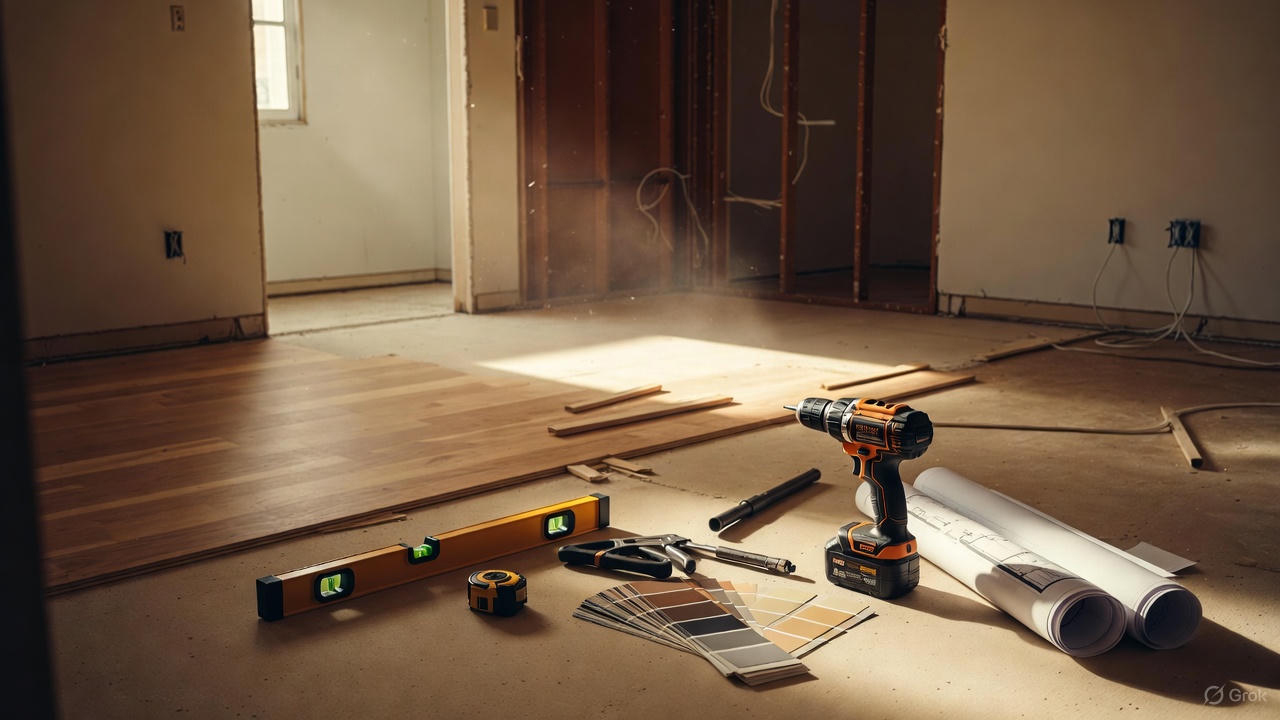
This is where ideas become reality. Construction can be exhilarating or exhausting, depending on the clarity of communication, the quality of contracts, and the trust you build with your contractors. Choosing the right builder or general contractor means finding someone you trust with your money, your property, and your peace of mind.
During this stage, focus on clear agreements, realistic schedules, and a shared understanding of what “finished” really means. Good communication and well-defined expectations are the difference between a smooth project and a stressful one.
Construction & Development Guide
Read More
General Contractors
A general contractor coordinates all the moving pieces of your project—tradespeople, materials, permits, inspections, and timelines. Start by checking licensing and insurance; don’t skip this step, even if the contractor comes highly recommended. Ask for recent references and, if possible, visit at least one current job site. You’ll learn a lot from how they keep a site organized and how their team behaves.
Your contract should spell out a detailed scope of work, itemized costs, a payment schedule tied to milestones, a change-order process, and how disputes are handled. Avoid large upfront payments; instead, follow a reasonable draw schedule. Weekly check-ins, in person or by video, can keep small issues from becoming big ones. A strong contractor partnership feels transparent—you always know what’s happening next and what decisions they need from you.
Roofing & Exterior Shell
The roof and exterior shell protect everything else you own, so this is not the place to cut corners. When evaluating roofers, look for established companies that have been in business long enough to honor their warranties. Ask about the materials they use, expected lifespan, and how they handle ventilation and attic moisture. Request photos or addresses of completed jobs using the same shingles or metal system you’re considering.
Make sure the quote includes removal and disposal of old roofing, flashing details, underlayment, and any decking repairs. Check whether they will be on site to meet the inspector or if they expect you to handle that. For siding, windows, and doors, pay attention to energy-efficiency ratings and installation quality—a great product installed poorly will still leak, rot, and waste energy.
Structural Repairs
If your home needs foundation work, structural repairs, or major corrections after storm damage, you’re in a specialized area of construction. In these cases, you may need both an engineer and a contractor. The engineer diagnoses the problem and specifies what must be done; the contractor executes the fix.
Be cautious of anyone who offers a “quick patch” for serious structural issues without written engineering guidance. Ask for clear written reports, photographs, and diagrams showing the problem and the recommended solution. Get more than one opinion if the work is extensive or very expensive. When comparing bids, make sure you’re not just choosing the cheapest option but the one that addresses the root cause.
Document everything—especially if insurance is involved. Detailed reports, photos, and communication records will be essential for claims and future resale value.
Skilled Trades
Read More
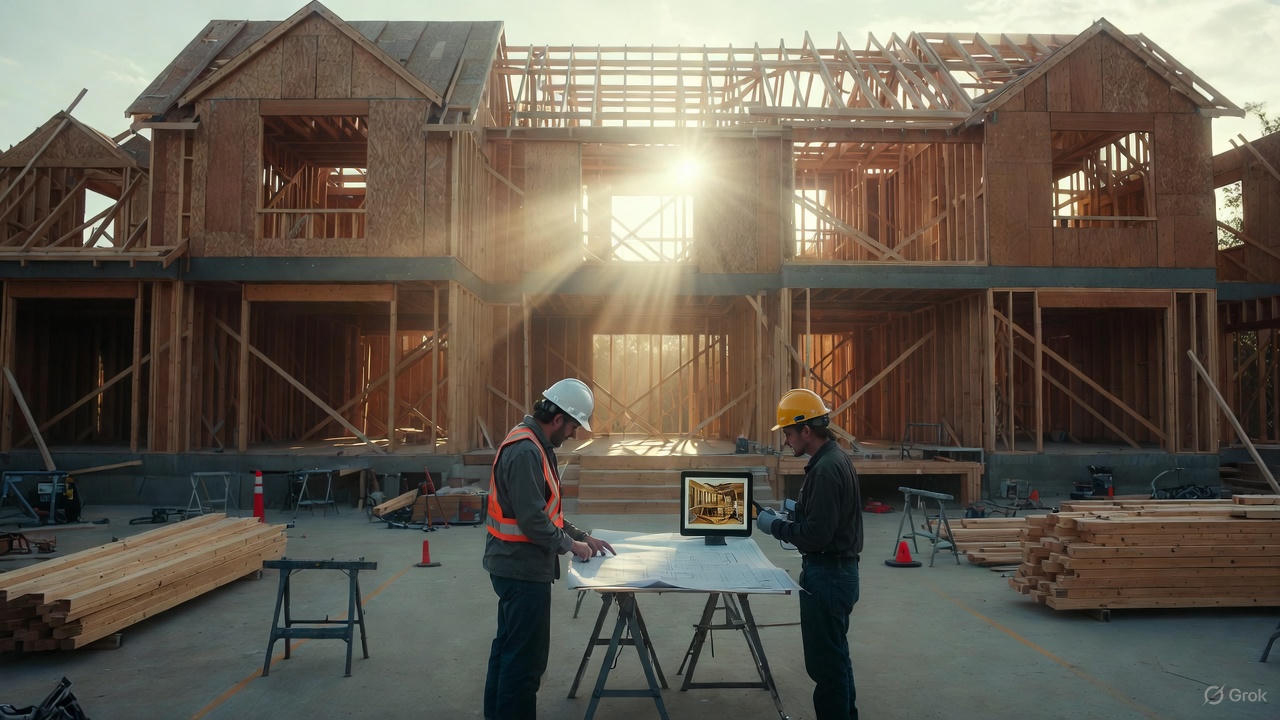
Skilled trades keep your home safe, comfortable, and functional. These are the licensed professionals who work on your plumbing, electrical systems, heating and cooling, and critical surfaces. Mistakes in these areas can lead to leaks, fires, mold, or high utility bills, so selecting the right tradespeople is essential.
Choosing the right trades is not just about convenience—it’s about safety, comfort, and long-term performance. As with all aspects of a home’s life cycle, we have an Opedia site dedicated to each of these topics so homeowners can make informed, confident decisions.
Plumbing
Read More
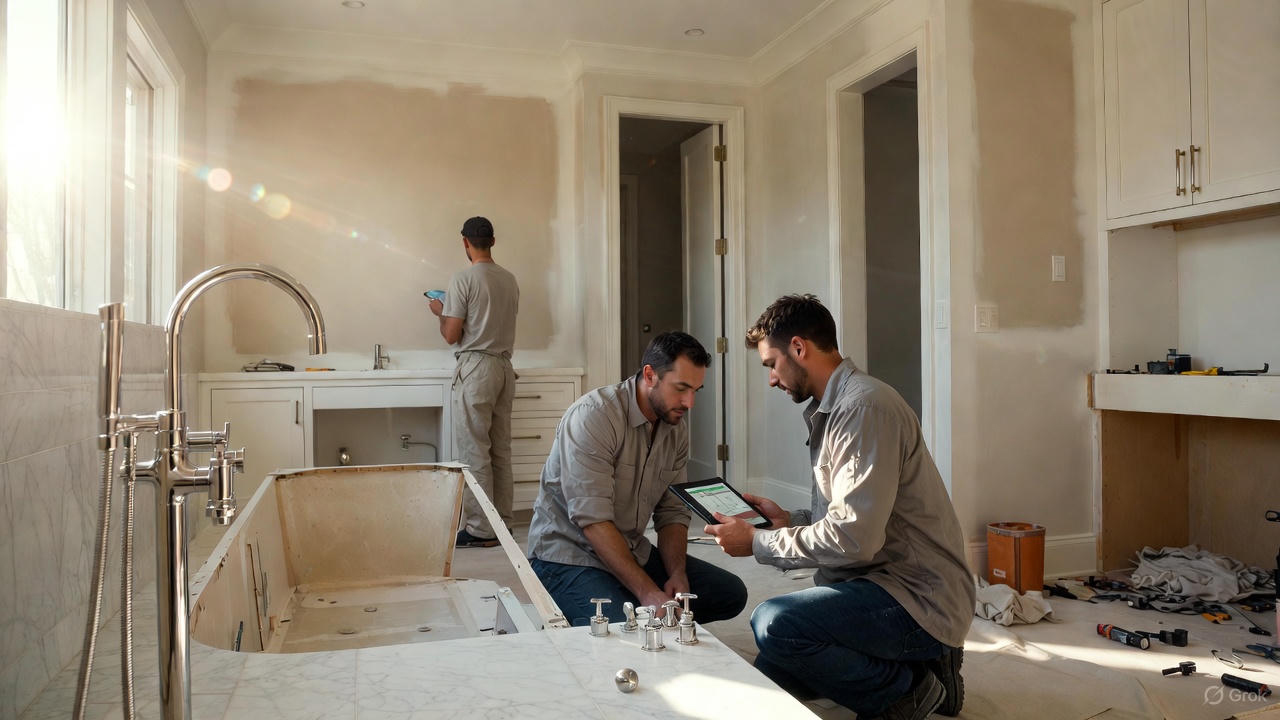
Plumbing is one area where “good enough” isn’t good enough. When hiring a plumber, confirm they are licensed and insured, and ask if they specialize in repairs, remodels, or new construction. For larger jobs, get a written estimate that separates labor, fixtures, and materials so you can see where the money goes.
Ask whether they use copper, PEX, or other piping materials and why. Clarify how they’ll protect your home—drop cloths, shoe covers, and cleanup expectations. For emergency calls, ask about after-hours rates before they roll a truck. A trustworthy plumber explains your options in plain language, provides pictures or video from inside lines when appropriate, and never pressures you into unnecessary replacements.
Electrical
Read More
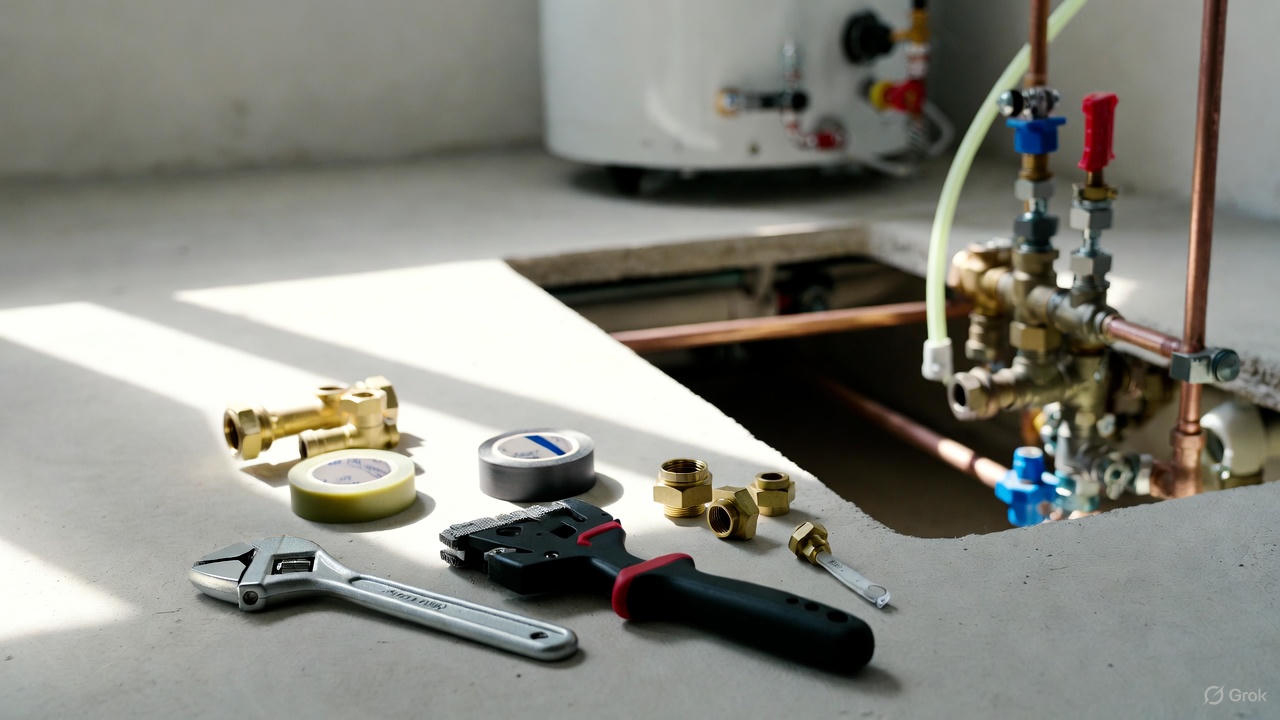
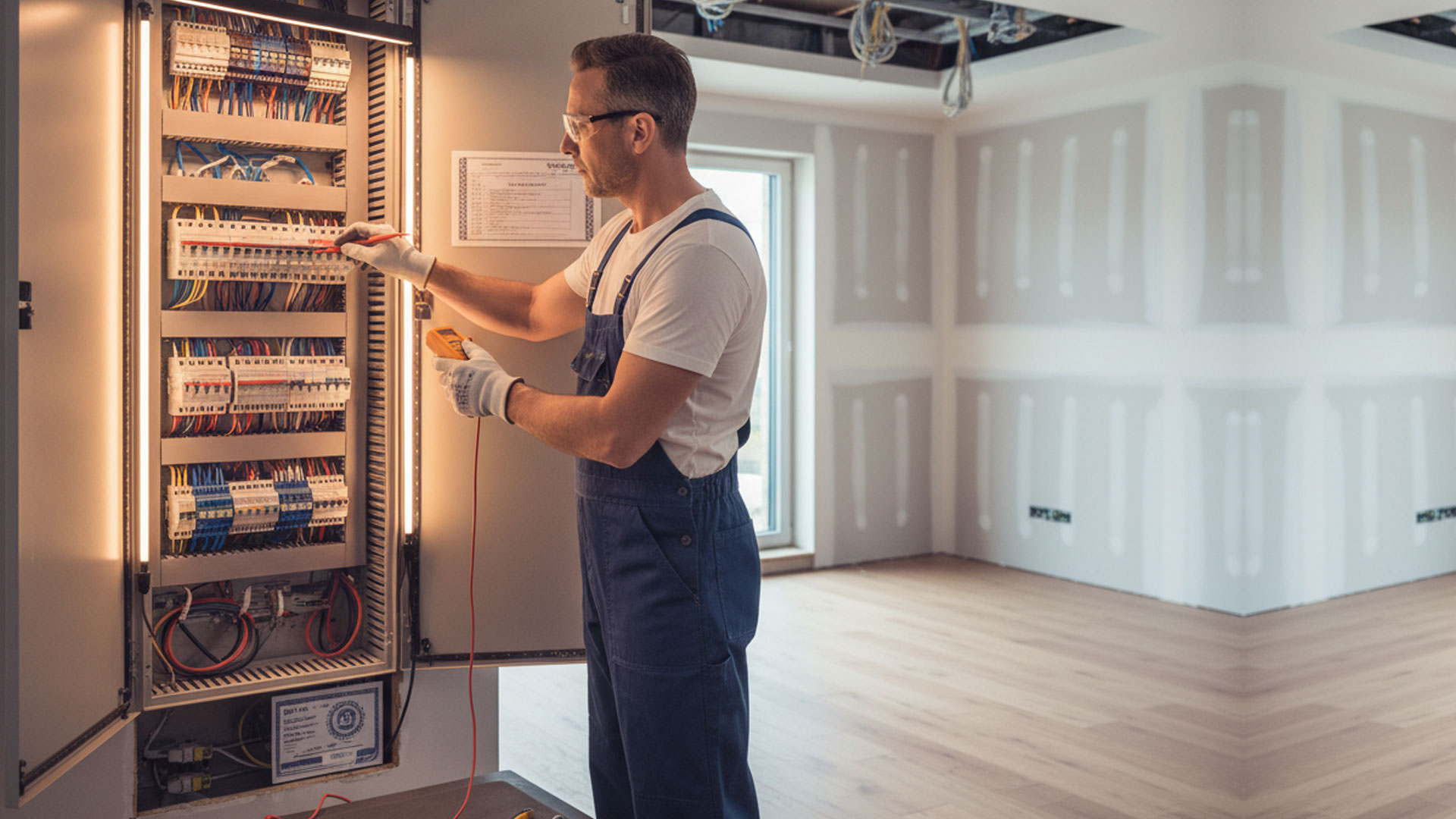
Electrical work is all about safety and code compliance. Always hire a licensed electrician for anything beyond the simplest tasks. Ask about their experience with the specific work you need—panel upgrades, EV chargers, recessed lighting, whole-house rewiring, or smart-home integrations. Your quote should reference permits and inspections; if an electrician suggests skipping these, that’s a red flag.
Review how they’ll handle patching or repairing walls after cutting in new boxes or running wires. For older homes, ask about grounding, aluminum wiring, and whether your panel has known safety issues. Electrical problems can stay hidden for years before causing trouble, so choose quality and proven expertise over the lowest price.
HVAC
Read More
Heating, cooling, and ventilation affect comfort, air quality, and energy bills. When getting quotes for a new system, make sure the contractor performs a proper load calculation rather than guessing based on square footage alone. Ask about efficiency ratings, expected lifespan, and warranties on both equipment and labor.
Good HVAC professionals will talk about ductwork, insulation, and airflow—not just the unit itself. They should offer maintenance options, explain filter replacement schedules, and help you understand smart thermostat features. If you’re dealing with hot and cold spots, odors, or humidity issues, mention these upfront; they often point to duct or ventilation problems that must be addressed along with the equipment.

Painting
Read More
Paint is one of the most visible finishes in your home, and proper preparation makes all the difference. When interviewing painters, ask what prep is included—scraping, sanding, caulking, priming, and repairs to minor cracks or nail pops. Clarify who is responsible for moving and protecting furniture and how they will ventilate the space. Request the exact paint brand, product line, and sheen in your estimate, along with the number of coats.
A professional painter should help you choose the right type of paint for each room—for example, scrubbable finishes in high-traffic areas and moisture-resistant products in bathrooms. Ask to see a small test patch on the wall before they commit to full coverage; colors often look different in your home’s lighting than on a sample card.

Bath Specialists
Read More
Bathrooms combine water, steam, and temperature changes—conditions that demand proper waterproofing. When hiring tile and bath specialists, ask specifically how they waterproof shower walls and pans. Look for modern systems such as membranes and pre-sloped shower bases rather than relying solely on tile and grout.
Request photos of previous bathrooms they’ve completed and pay close attention to details like grout lines, slope to the drain, and how corners are finished. Your estimate should list substrates, waterproofing products, tile selections, grout type, and sealer. Cutting costs in a bathroom may lead to leaks inside walls or floors, which can become far more expensive than doing it right the first time.

Kitchens
Read More
Your kitchen is often the hardest-working room in the home, so planning finishes here deserves extra attention. Start by thinking about how you cook and entertain. Do you need lots of prep space, a second sink, or seating at an island? Cabinet quality, hardware, and layout matter as much as color. Ask potential kitchen specialists to show you how they build boxes, mount drawers, and handle soft-close hardware.
For counters, consider not only appearance but also stain and heat resistance, maintenance requirements, and seam placement. Lighting should include a mix of task lighting over counters, ambient lighting from the ceiling, and accent lighting inside or under cabinets so the room remains functional and inviting at any time of day.
A good kitchen professional will help you prioritize your budget—investing more in cabinets and layout while choosing more modest finishes where they matter less. Always review final plans in 3D or on detailed drawings before signing off.

Flooring
Read More
Floors take daily abuse—foot traffic, pets, spills, and scratches—so they must be chosen for performance as much as beauty. Different materials shine in different spaces: hardwood for warmth and long-term value, luxury vinyl for moisture-prone areas, tile for durability, and carpet for softness and sound control.
Ask flooring specialists about wear layers, scratch resistance, and how products perform with pets and children. Subfloor preparation is key to avoiding squeaks and uneven spots, so confirm that your quote includes leveling or repairs if needed. Understand the maintenance requirements: some floors can be refinished, while others must be replaced once worn.
If you’re combining flooring types, consider transitions and thresholds so your home flows visually from one room to the next.

Finishing
Read More
Finishing is where your home’s personality really shows. Cabinets, counters, floors, lighting, and furniture turn a structure into a space that reflects how you live and what you love. At this stage, you’re making hundreds of small decisions that add up to how your home feels every day.
The goal is to balance style, durability, and budget so your home looks good now and still works for you years from today. Thoughtful finishing choices can elevate your home’s comfort, functionality, and long-term value.
Lighting
Read More
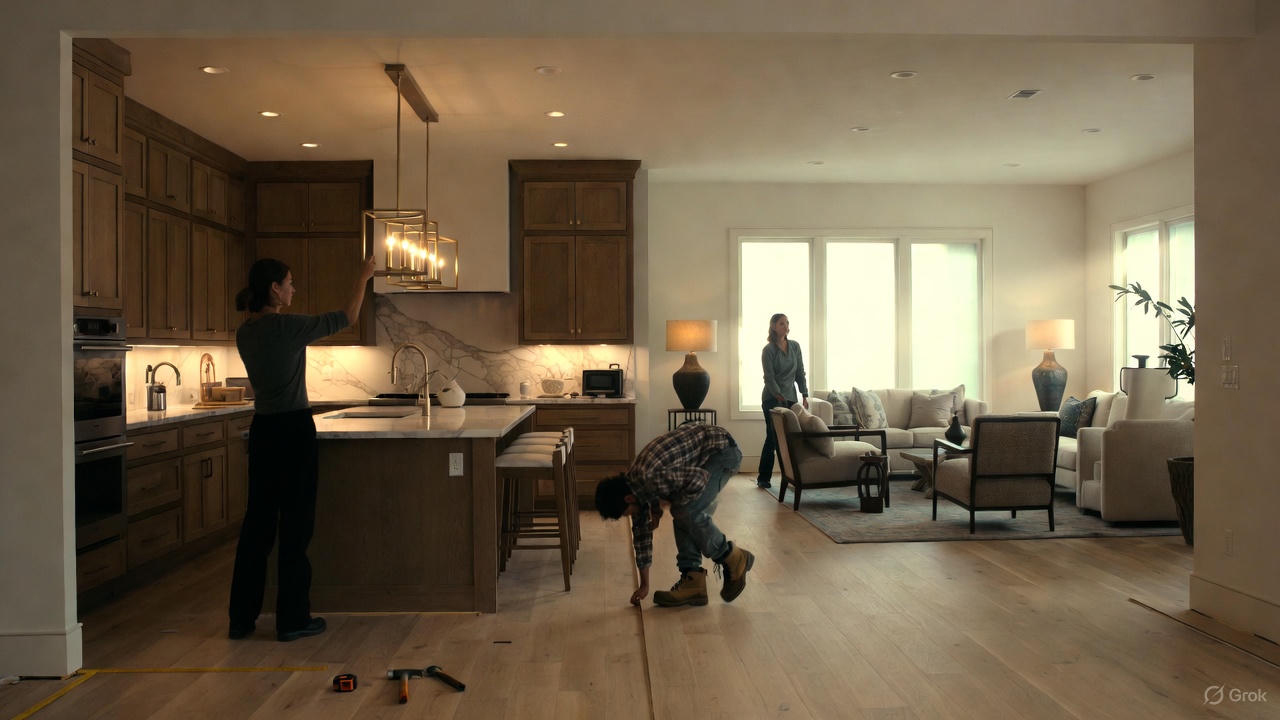
Lighting shapes how you experience every room, yet it’s often an afterthought. A well-lit home layers three types of light: ambient (overall), task (focused), and accent (decorative or mood). When planning lighting, consider what you actually do in each space—reading, cooking, working, relaxing—and choose fixtures and bulbs accordingly.
Warm color temperatures usually feel inviting in living spaces, while neutral or slightly cooler light works well in kitchens and work areas. Dimmer switches add flexibility without changing fixtures. Ask professionals to create a simple lighting plan that balances recessed lights, pendants, sconces, and lamps so you’re not relying on a single overhead fixture.
Good lighting can make modest finishes look richer and help smaller rooms feel more open and welcoming.

Furnishings
Read More
Furnishings complete the story of your home. The right pieces support how you live rather than forcing you to tiptoe around fragile items. Before shopping, measure your rooms carefully and map out traffic patterns; even a sofa that’s just a few inches too deep can make a room feel cramped.
Consider the durability of fabrics, especially if you have children or pets, and look for frames made from solid wood or high-quality metals instead of particleboard. Mixing a few standout pieces with more affordable basics often creates a richer overall look than buying a matching set. When working with designers or furniture retailers, share photos of your existing finishes so colors and textures don’t clash.
Remember that comfort and ergonomics matter just as much as style—you’ll live with these pieces every day.

Maintenance
Read More
Maintenance protects your investment and keeps small issues from becoming expensive problems. Regular care for your home’s systems, exterior, and yard adds comfort now and resale value later. Many homeowners feel overwhelmed by what to do and when—the key is building simple routines and knowing when to call in help.
Home Repairs
Read More
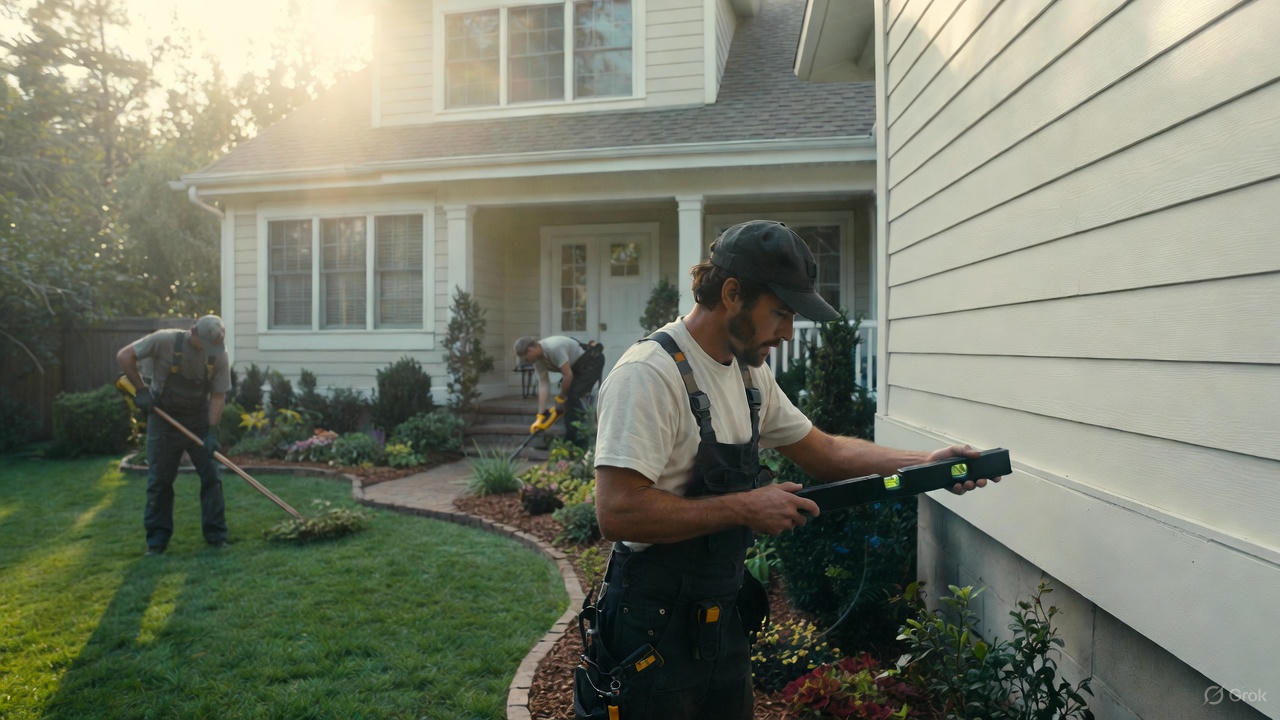
Every home has a running list of “little things” that never seem urgent enough to tackle—sticking doors, loose railings, dripping faucets, and cracked caulk. Over time, small issues can add up to water damage, drafts, or safety hazards. A reliable handyman can handle a wide range of minor repairs efficiently, often in a single visit.
When choosing one, look for clear communication about what they will and won’t do, and ask whether they charge by the hour or by the job. Provide photos or videos ahead of time so they can estimate accurately and bring the right tools. For anything involving major electrical, structural, or gas work, you’ll still want licensed specialists, but a good handyman can keep your home feeling cared for between big projects.
Lawn Care
Read More
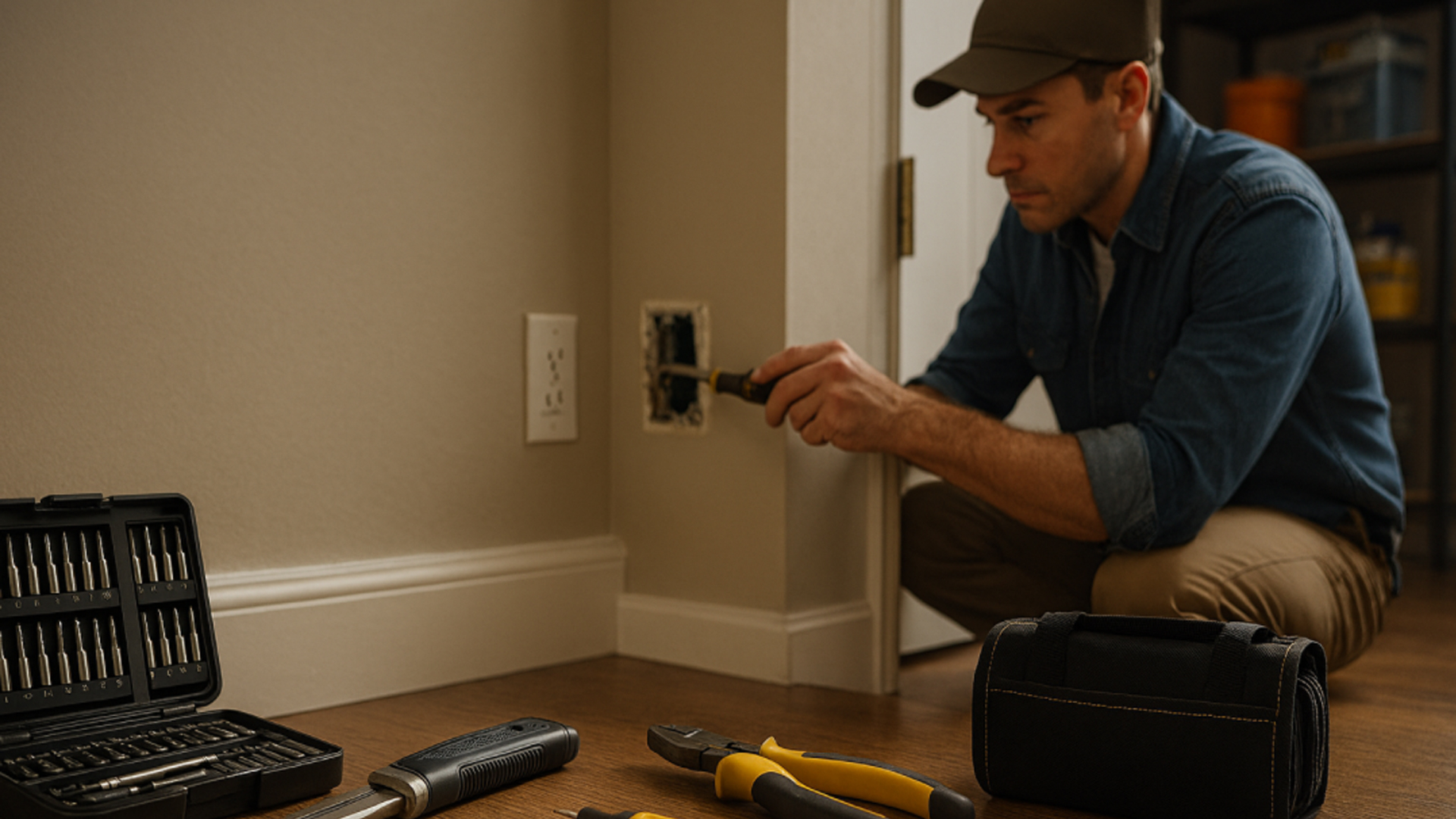
Curb appeal starts long before someone reaches the front door. Healthy lawns and well-kept landscaping improve drainage, prevent erosion, and make your home more enjoyable to live in. Decide whether you prefer to handle mowing and basic care yourself or hire a regular service.

Gardens
Read More
If you’re working with landscapers, ask about soil testing, plant selection suited to your climate, and long-term maintenance needs. Choose plants that match your willingness to water, prune, and weed; low-maintenance designs may cost a bit more upfront but save hours of work later.
Clear communication about fertilizer practices, pesticide use, and watering schedules helps keep your yard safe for children and pets while still looking good year-round.

Pet-Friendly Living
Read More
Pets bring joy but also extra wear on floors, furniture, and fabrics. Pet-friendly design can make life easier for everyone. Consider washable slipcovers, rugs that can be easily cleaned, and flooring that resists scratches and accidents. Pet gates, built-in feeding stations, and designated storage for leashes and supplies help keep clutter under control.
For outdoor spaces, think about secure fencing, shaded areas, and durable surfaces where paws won’t tear up grass or track mud indoors. When hiring cleaners or yard services, mention any pets so they can choose safe products and secure gates. A home designed with pets in mind lets you enjoy their company without constant worry about damage.

Pest Control
Read More
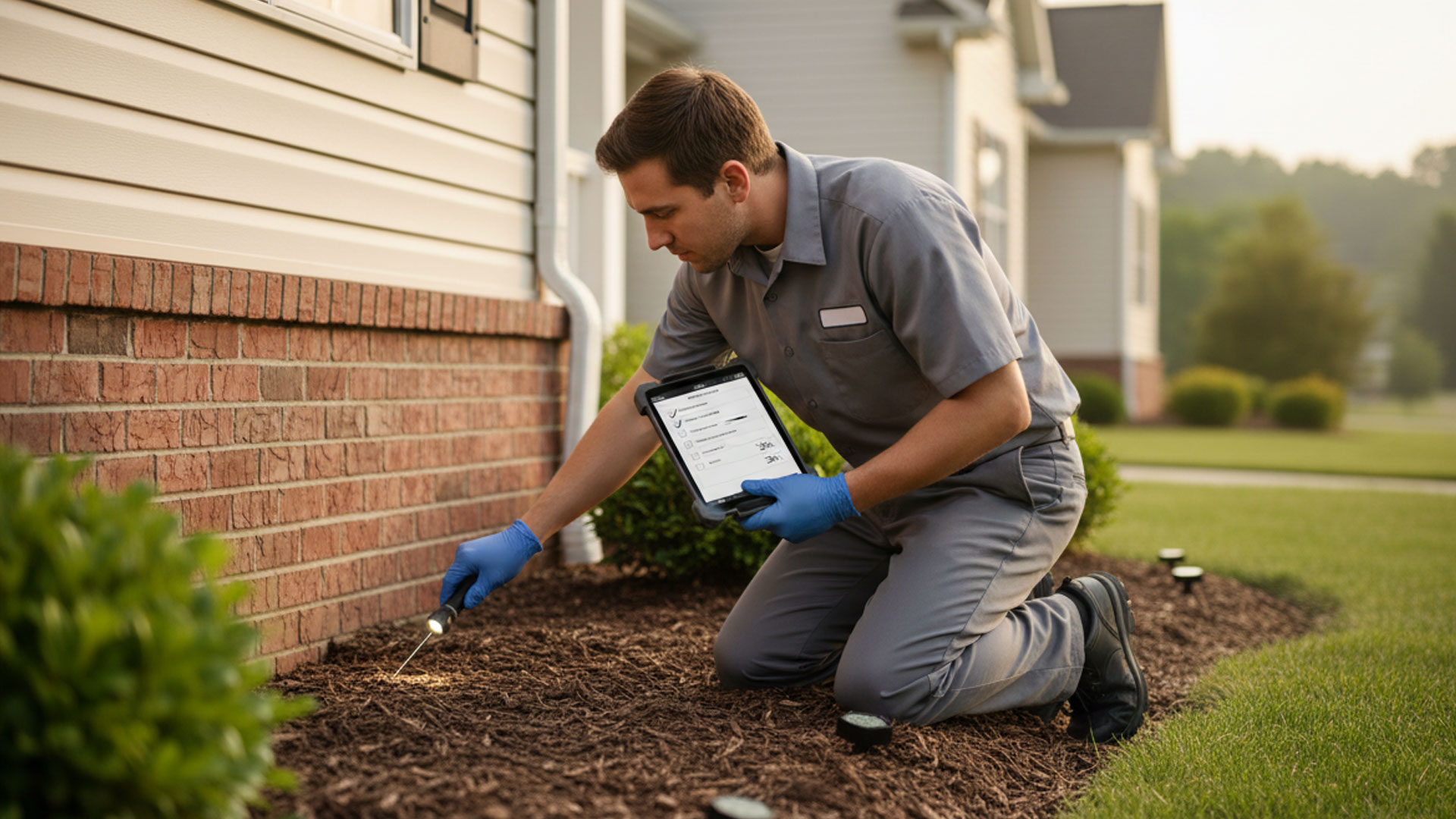
Unwanted pests can damage your home and pose health risks. Whether you’re dealing with ants, termites, rodents, or other invaders, the best pest control combines prevention and targeted treatment. Look for companies that start with a thorough inspection and explanation of the root causes—entry points, moisture issues, and food sources—rather than rushing straight to chemicals.
Ask about treatment options, safety for people and pets, and how they monitor results over time. For termites and other wood-destroying insects, make sure you understand the type and duration of warranties. Regular inspections and sealing gaps can often prevent major infestations before they begin.
Lifestyle & Living
Read More
Once the big projects are done, daily life takes center stage. This phase is all about comfort, convenience, technology, and the way your home supports your routines. From appliances to smart systems to pet-friendly features, small improvements can dramatically enhance how your home feels and functions.

Smart Home Systems
Read More
Smart thermostats, lighting controls, security cameras, and door locks can make life more convenient and efficient, but they should simplify your days—not complicate them. When planning smart-home upgrades, start with your primary goals: lower energy bills, better security, or easier control from your phone.
Choose devices that work together within a single platform whenever possible so you’re not juggling multiple apps. Ask installers how they handle network security, software updates, and user training. Make sure someone in the household feels comfortable managing settings and troubleshooting minor issues. The best smart systems quietly support your routines in the background rather than demanding constant attention.

Moving
Read More
Every home story has transitions—downsizing, upsizing, relocating for work, or moving closer to family. The moving and storage stage can be stressful, but the right planning and partners can protect your belongings and your sanity. Whether you need full-service movers, short-term storage, or major clean-out help, it pays to understand your options before the clock starts ticking.

Storage Solutions
Read More
Storage can be a short-term bridge during a move or a longer-term solution for items you’re not ready to part with. Consider climate-controlled units for electronics, artwork, photos, and furniture. Visit facilities in person, when possible, to check cleanliness, lighting, and security measures such as cameras and gate access.
If you’re using portable storage containers, ask where the containers will sit, how long you can keep them, and how scheduling works for pickup and delivery. Avoid stacking boxes haphazardly; sturdy shelving and clear labeling make it much easier to find items later. Set a reminder to reevaluate stored items periodically so you’re not paying to keep things you no longer need.

Storage Solutions
Read More
Storage can be a short-term bridge during a move or a longer-term solution for items you’re not ready to part with. Consider climate-controlled units for electronics, artwork, photos, and furniture. Visit facilities in person, when possible, to check cleanliness, lighting, and security measures such as cameras and gate access.
If you’re using portable storage containers, ask where the containers will sit, how long you can keep them, and how scheduling works for pickup and delivery. Avoid stacking boxes haphazardly; sturdy shelving and clear labeling make it much easier to find items later. Set a reminder to reevaluate stored items periodically so you’re not paying to keep things you no longer need.

🛠️ BTW… Are You a Home Services Provider?
If you work in the home services industry, you already know that trust and visibility are everything. Homeowners need reliable professionals—and they need them now. That’s where HomeServicesOpedia comes in. We’re not just a directory; we’re a vertical—a focused hub where people come specifically to find experts in plumbing, electrical, HVAC, painting, remodeling, landscaping, pest control, storage solutions, kitchens, baths, and more.
Whether you’re a licensed electrician, plumber, general contractor, HVAC pro, painter, handyman, pest control specialist, landscaper, flooring installer, lighting designer, storage provider, or any professional who helps keep a home running smoothly—this is where people are already searching for you.
Even better, HomeServicesOpedia is part of a growing family of hundreds of “Opedia” verticals—from BuildersOpedia to PlumbersOpedia, HVACOpedia, PaintersOpedia, FlooringOpedia, LightingOpedia, GardensOpedia, and more. Homeowners often move from one project to the next— and that means your business can be discovered by people who are already actively planning improvements.
That’s the power of a vertical network—reaching the right people at exactly the right time, when they are ready to hire. Advertising on HomeServicesOpedia helps your business get found, trusted, and remembered.
List Your Business* Belle never let anyone help with something this big, not for years. When she first met Aaron as the hostess at his Professor Remembers Roadhouse & Bakery Café in “Can’t Stop It” (the first novel in the Jimmy Rogers Chronicles), she had already built walls no one could climb.
In the sequel, “It’s Impossible,” Aaron discovers a love for Belle that isn’t romantic or possessive, he simply delights in her presence, in conversation, in making her laugh, in doing even the smallest thing for her. Belle accepts none of it.
In “The Appeal,” Belle goes to work for her Aunt Evelyn at a local hotel, and Aaron moves there just to stay near Belle. Evelyn, still furious about how Aaron exposed her for manipulating her Pastor, Tyler McCormick into accusing Aaron of lusting after Belle, tries to drive Aaron out of “her house”, by trying to get the law to put Aaron behind bars.
By the time we reach “If Tears Were Dollars,” (the fourth episode) Belle has broken off with Hack (she moved in with him at the end of “It’s Impossible”) but is drawn back into his life only to witness his violent murder during a failed rescue of Hack’s kidnapped son. Now Belle is being hunted, and the one person she hopes she can count on to help, is Aaron.
Aaron’s unwavering response to her plea for help is the first time Belle finally understands the true nature of his love: he asks for nothing, expects nothing, and loves without claiming. It is only then, in the fourth novel, that Belle can finally allow Aaron to help her with something as significant as buying her first home. For Belle it has been a remarkable journey from hiding behind walls of her own construction, designed to protect but, instead captured her to embracing the truth that “it is more blessed to give then receive.” She realizes that letting Aaron help her, blesses him more than anything she could give to him materially or physically. Their journey reminds every homeowner and every home-service pro that sometimes the strongest step isn’t doing it alone… it’s letting the right person stand beside you.